Islington Council rules for Highbury moving permits and fines
Posted on 31/07/2026

Islington Council rules for Highbury moving permits and fines: what movers need to know
If you are moving in Highbury, the last thing you want is a surprise ticket, a delayed van, or a stressed-out building manager asking awkward questions at the kerb. The phrase Islington Council rules for Highbury moving permits and fines sounds dry, but in real life it decides whether your move goes smoothly or turns into a messy, expensive morning. This guide breaks the topic down in plain English, so you can understand what usually matters, where the risks tend to appear, and how to plan like someone who has actually done this before.
Truth be told, most moving problems in Highbury are not dramatic. They are small things: a van stopping in the wrong place, a suspension not arranged in time, a loading bay blocked by a car, or someone assuming a permit is "probably fine". Then the clamp of reality arrives. Not ideal. So let's get practical.
Why Islington Council rules for Highbury moving permits and fines Matters
Highbury is a busy part of Islington. Streets can be narrow, parking can be tight, and timing matters more than people expect. A move may look straightforward on paper, but once a removal van arrives, the local reality kicks in. That is where council rules become important.
In simple terms, the rules exist to manage road use, protect access, and reduce disruption. If your vehicle needs to stop where normal parking is restricted, you may need permission, a suspension, or a different approach entirely. If you skip that step, fines can follow. And if the council has to enforce a restriction, the charge is rarely the cheapest part of the day.
For renters, homeowners, landlords, students, and even office teams moving a few streets over, the consequences are similar: lost time, extra cost, frustration, and a move that feels harder than it should. A bit of planning usually saves a lot of grief.
It also matters because Highbury has a mix of housing stock. You get terraces, mansion blocks, flats above shops, and converted buildings with awkward access. That combination often means loading needs to be carefully timed. If you have ever carried a sofa down a narrow staircase while a van is waiting half a street away, you know exactly why local parking rules are not just a background detail.
If you are still mapping out your wider move, it can help to read about moving in Highbury's terraced streets and the practical side of flat access and staircase challenges. Those two topics often sit right next to permit questions in real moves.
How Islington Council rules for Highbury moving permits and fines Works
The basic idea is this: if a vehicle is going to stop, wait, or load in a way that affects the normal use of a street, the council may require some form of authorisation. In practice, that can involve parking permissions, temporary suspensions, or other restrictions depending on the road and the situation.
What people often miss is that moving-day compliance is not only about the van driver. It is about the whole chain: the property, the street, the timing, and whether access is realistic. A permit is not magic. It does not create space where none exists. It simply helps make a legal stop possible where a normal stop would not be.
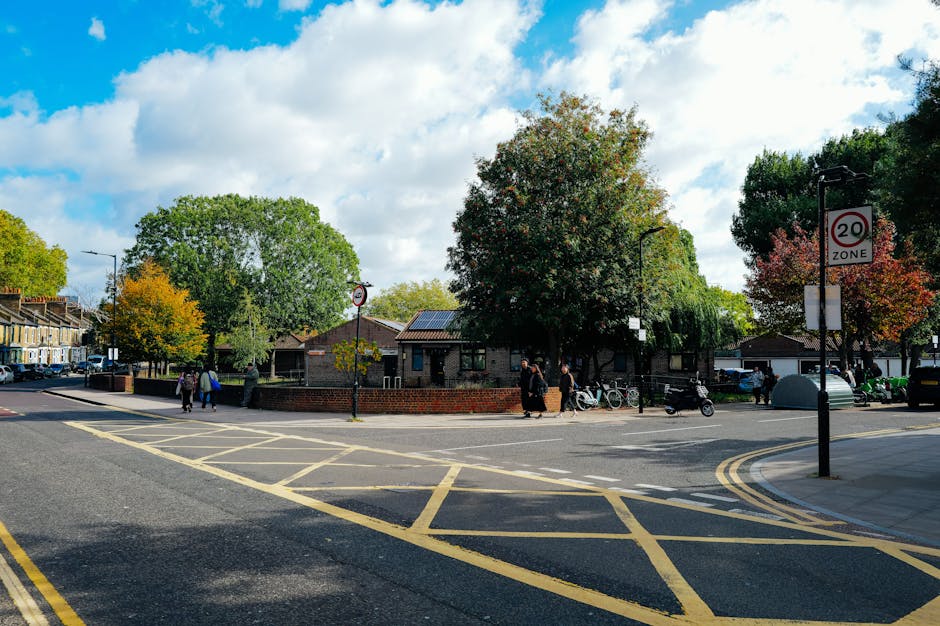
Fines usually come into play when a vehicle stops where it should not, stays longer than allowed, obstructs traffic, ignores restrictions, or fails to follow a permit condition. The exact outcome depends on the situation. That is why it is safer to treat anything near double yellow lines, resident bays, loading restrictions, school streets, bus routes, or busy junctions as a proper planning issue rather than a guess.
On the ground, the process usually works like this:
- You check whether your moving vehicle will need access, loading time, or a suspension.
- You confirm the road restrictions relevant to the property.
- You arrange the required permission or parking plan in advance.
- You brief the removal team so the van arrives with the right setup.
- You keep evidence or confirmation handy in case enforcement staff ask questions.
That last point sounds minor, but it is not. If there is a dispute, being able to show a booking reference, permit confirmation, or communication trail can make the conversation much easier.
For a fuller picture of service planning around Highbury moves, you may also want to look at the wider services overview and the practical support offered through removals in Highbury.
Key Benefits and Practical Advantages
There is a very simple benefit to getting moving permits and parking arrangements right: your move becomes calmer. That may sound obvious, but calm is valuable when you are dealing with boxes, furniture, keys, elevators, neighbours, and a schedule that never quite behaves.
Here are the biggest practical advantages:
- Reduced risk of fines: No one likes an avoidable penalty, especially on an expensive moving day.
- Less delay: The van can load and unload with fewer interruptions.
- Better coordination: Everyone knows where the vehicle can stop and for how long.
- Less pressure on the team: Movers can focus on lifting, wrapping, and carrying rather than playing street-spotter.
- Cleaner customer experience: You start in one place and arrive in another without that sinking feeling that something has gone wrong.
There is also a hidden benefit: better budgeting. A permit-related issue can quickly trigger knock-on costs. A delay can mean extra labour time. An enforcement problem can mean a fine. A failed loading plan can mean rescheduling. Small things stack up.
If you are comparing move types, this is where local knowledge matters. A compact flat move may need only a few careful minutes of loading time, while a larger house move or office relocation may need a more structured setup. In either case, the value is the same: fewer surprises.
And yes, there is a human benefit too. When the paperwork is sorted, you stop worrying about the van outside the window. That peace of mind is worth something.
Who This Is For and When It Makes Sense
This topic is relevant to more people than you might expect. If your move involves a van stopping on a public road in or around Highbury, you should think about local rules. That includes:
- People moving house, whether rented or owned
- Flat movers dealing with tight access and limited kerb space
- Students moving into or out of shared accommodation
- Landlords and letting agents coordinating tenancies
- Office teams relocating equipment or stock
- Anyone hiring a man and van service
- Residents shifting large items, such as wardrobes, sofas, or a piano
It also makes sense if you are moving on a deadline. End-of-tenancy moves, exchange dates, weekend relocations, and same-day moves are exactly the sort of situations where a permit issue can turn a tight plan into a chaotic one.
For example, a person moving out of a first-floor flat near a busy road might assume the van can just wait outside. Maybe it can. Maybe it cannot. If the parking is restricted, the whole plan changes. That is why a quick review before move day is so useful.
If your move is small and local, you still need to check. Small moves can get caught out by the same restrictions as large ones. A single van stopping in the wrong place is still a problem.
For anyone balancing access, timing, and local logistics, the related guides on man and van services in Highbury and flat removals in Highbury are useful next reads.
Step-by-Step Guidance
Here is the most sensible way to approach a Highbury move when permits and fines might be an issue. Keep it simple. Keep it early. That is the trick.
- Check the address and street layout. Look at the exact pickup and drop-off points, not just the postcode. Two homes on the same road can have very different access.
- Identify the likely restriction type. Think about resident bays, loading restrictions, yellow lines, bus lanes, school restrictions, or narrow access points.
- Estimate the vehicle size and stopping time. A small van and a large removal van are not the same thing. Obvious, yes, but it matters.
- Book the move around the most workable time. Midweek, off-peak, or earlier in the day can be easier in busy parts of Highbury. Not always, but often.
- Arrange the required permission or parking plan. If the move needs a permit or formal arrangement, do that before boxes are stacked in the hallway.
- Tell everyone involved. The movers, the client, the building manager, and anyone else affected should know the plan.
- Keep proof to hand. Confirmation emails, reference numbers, and booking details should be easy to find on the day.
- Build in a margin. A small buffer saves stress when traffic is slow or a lift takes longer than expected.
A practical note: many moving problems start because someone assumes the road arrangement is "fine for ten minutes". That is exactly the kind of assumption that creates fines. Ten minutes is enough time for a patrol, a complaint, or an enforcement decision. Street life in London has a way of proving that point.
If you are still at the planning stage, the pages on pricing and quotes and contact us can help you line up the logistics and the budget together. A move is easier when the numbers and the timing agree. Usually they do not. So plan ahead.
Expert Tips for Better Results
In our experience, the best moving days are the boring ones. Nothing dramatic happens. The van arrives, the route is clear, the lifting starts, and everyone gets on with it. To reach that wonderfully uneventful outcome, a few habits help a lot.
- Do not leave parking decisions until the day before. By then you are reacting, not planning.
- Check the exact loading spot on foot if possible. Google Street View is helpful, but real-time road conditions can differ.
- Think about neighbours. A blocked driveway or noisy early-morning loading can create complaints, and complaints have a habit of escalating.
- Use labels and room-by-room packing. This shortens loading time and reduces the chance of paying for wasted minutes.
- Keep your most important items separate. Passports, keys, chargers, medication, and documents should not be buried in a box somewhere in the van.
Also, if your building has awkward access, mention it clearly. A stairwell with a tight turn or a long carry from the nearest legal stopping point can change the whole move plan. No one enjoys finding that out when the door is already open.
A little humour helps too, honestly. The safest move is usually the one where everyone has over-prepared just enough to feel slightly silly. That is fine. Slightly silly beats slightly fined.
For more local moving context, the articles on avoiding hidden costs in Highbury removals and booking cancellations and delay prevention are worth a look.
Common Mistakes to Avoid
Most penalties and delays are not caused by one huge mistake. They come from several small ones stacked together. That is why this topic deserves more than a quick skim.
- Assuming parking is available because the space looks empty. Empty does not mean legal.
- Forgetting that a loading stop is still a stop. Even short loading can be restricted.
- Booking a van that is too large for the street. Bigger is not always better.
- Not telling the removal team about access limitations. They cannot plan for what they do not know.
- Leaving it to someone else to sort. If no one owns the task, it often gets missed.
- Ignoring the return journey. Unloading at the new address may have its own restrictions too.
- Overlooking building management rules. Council rules are one side of the story; estate or building rules are another.
One of the more common scenarios is a person focusing only on the old address. They arrange a legal stop there, then arrive at the new place and find the street is even tighter. It happens all the time. Not glamorous, but very real.
A second common slip is underestimating time. Packing might be done, but the actual load-out can take longer than expected. If the permit window is too short, you are living on the edge a bit. That is not where you want to be when a sofa is halfway through a doorway.
Tools, Resources and Recommendations
You do not need a huge toolkit to handle this well. You need a few reliable habits and the right information close at hand.
- Street-level planning: Use an actual view of the road, not just the postcode.
- Move-day checklist: Keep your permit reference, keys, building instructions, and phone charger together.
- Timing notes: Write down arrival time, loading window, and any access deadlines.
- Communication log: Save messages about parking, access, or special arrangements.
- Clear packing supplies: Boxes, tape, blankets, and labels reduce loading time and confusion.
From a removal-planning point of view, it also helps to think beyond the permit itself. If you need packing help, storage, or furniture handling, those decisions affect timing. So does the size of the vehicle. So does whether the move is a ground-floor job or a fourth-floor walk-up.
If you want to explore related services and preparation options, take a look at packing and boxes in Highbury, storage in Highbury, and the broader removal services in Highbury page. They fit neatly into the planning stage, especially when the move is a bit more complex than a simple van job.
Law, Compliance, Standards, or Best Practice
When moving in London, compliance is mostly about using the road properly, respecting local restrictions, and avoiding obstruction. The exact council process can change over time, so the safest rule is to treat official local guidance as the final word for a specific street or date. That may sound cautious, but it is the right way to avoid guesswork.
From a best-practice point of view, you should expect the following:
- Vehicle access should be checked before the move is confirmed.
- Restricted streets should be treated as restricted until confirmed otherwise.
- Loading should be done with minimum unnecessary obstruction.
- Any permit or suspension details should be accurate for time, place, and vehicle use.
- Building rules should be followed alongside council rules.
If your move involves a commercial property, office block, or managed building, there can be extra layers of control. Reception procedures, loading bays, lift bookings, and time slots may all matter. The council side is only one part of the picture.
Highbury residents also tend to benefit from a conservative approach: assume the busiest interpretation of the rule until confirmed otherwise. That sounds a bit cautious, I know, but cautious is often cheaper than confident.
For the operator side of things, it is worth noting the broader professional standards that good movers should follow, including safe handling, clear communication, and appropriate vehicle planning. You can read more about that approach on the health and safety policy and insurance and safety pages.
Options, Methods, or Comparison Table
There is more than one way to manage a Highbury move. The best option depends on the street, the size of the load, and how much access control you face. Here is a simple comparison.
| Approach | Best for | Main advantage | Main risk if mismanaged |
|---|---|---|---|
| Permit or formal parking arrangement | Restricted roads, loading zones, busy streets | More legal certainty for stopping and loading | Fines if the details are wrong or the stop over-runs |
| Small van with careful timing | Short moves, light loads, easier streets | Flexible and often quicker to position | Can still be caught by restrictions or poor timing |
| Pre-arranged building access and lift use | Flats, managed blocks, office moves | Reduces internal delays and carrying time | Problems if the building rules are misunderstood |
| Full removal planning with a professional team | House moves, heavier furniture, complex access | Better coordination of vehicle, access, and timing | Still needs accurate information from the customer |
In many Highbury moves, the strongest approach is a combination: correct parking arrangements plus smart loading plus clear building access info. That is usually better than relying on any one thing to save the day.
Case Study or Real-World Example
Picture a move from a Highbury flat on a narrow residential street. The resident has boxes packed, a sofa to remove, and a removal van due at 8:00 am. Everything seems under control, until the street has limited stopping space and a resident bay nearby is already busy.
In the rushed version of this story, the van arrives, circles once or twice, and stops where it really should not. The team hurries. The client is anxious. Someone starts asking if "just for a few minutes" is acceptable. This is exactly how small fines and delays happen.
In the better version, the street is checked in advance, the timing is adjusted, the team knows where to load, and the homeowner keeps the paperwork ready. The loading is more predictable. The van is not left improvising. Boxes go out in a steady rhythm, the stairwell noise is manageable, and the move leaves the street almost as quickly as it arrived.
That second version is not glamorous, but it is the one people remember fondly later on. The day feels organised. The kettle gets unpacked sooner. The first cup of tea in the new place tastes better when nobody has been arguing with parking restrictions all morning.
Practical Checklist
Use this before moving day. It is simple, but it catches a lot of avoidable problems.
- Confirm the exact pickup and drop-off addresses.
- Check whether each street has parking or loading restrictions.
- Decide whether the vehicle needs formal permission or a loading plan.
- Make sure the moving team knows about narrow roads, stairs, lifts, or long carries.
- Keep permit or booking confirmation accessible on your phone and in email.
- Leave a buffer for traffic, access delays, and building entry procedures.
- Pack and label boxes to shorten loading time.
- Tell neighbours or building management if advance notice is sensible.
- Double-check keys, access codes, and entry instructions.
- Have a backup plan if the kerb space is not usable.
A short checklist, but a useful one. Even one missed item can throw the day off, and nobody wants that at 7:45 on a wet Thursday.
Get a free quote today and see how much you can save.
Conclusion
Getting to grips with Islington Council rules for Highbury moving permits and fines is not about memorising bureaucracy for the sake of it. It is about preventing a move from becoming harder, slower, and more expensive than it needs to be. If your van must stop on a restricted street, if access is tight, or if the building has its own rules, the safest approach is to plan early and confirm the details properly.
The good news is that most of this is manageable. A little preparation, a careful street check, and a realistic timeline usually go a long way. Highbury moves can be smooth. They really can. And once the boxes are in, the stairs are behind you, and the first room starts to look like home, the whole fuss fades a bit.
For more local context and practical moving support, you can also browse the latest Highbury moving guides, read a few customer experiences, or explore the full service range before you book. Sometimes the right next step is simply having a clearer plan. That alone changes everything.